


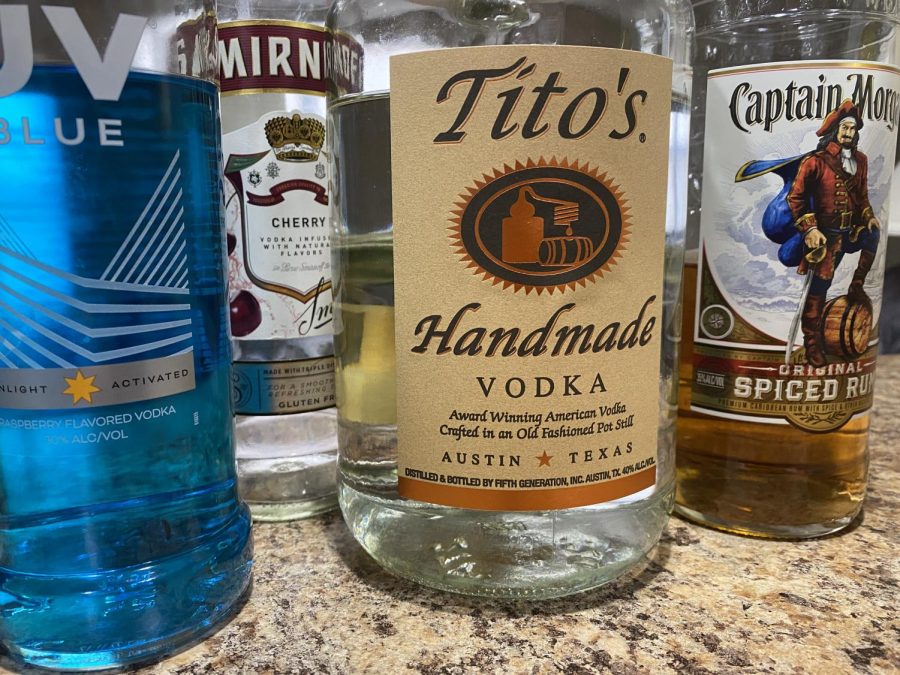
Alcohol remains a defining feature of campus life while Kent State officials say substance abuse, specifically involving illicit drugs, isn’t a significant concern.
Students, too, say alcohol is far more visible in the campus community than drugs. Alex Bayus, a senior majoring in fashion merchandising at KSU, shared that from his own personal experience, alcohol has been more prevalent in his social circle.
“My freshman year roommate was caught with alcohol in our dorm room during a random room check by our RA,” Bayus said. “She was given a warning instead of facing punishment.”
Todd Kamenash, associate dean of conduct, shared that throughout the 2024-2025 school year, conduct cases involving students with alcohol were higher than controlled substances. In 2025, alcohol led only 13% of all cases referred to the Office of Student Conduct at KSU, with controlled substance cases at 10%.
Vance Voyles, a sergeant with Kent State University Police, shared that most drug-use cases he’s witnessed involve students experimenting with THC gummies and mushrooms, but nothing fatal. Instead, most cases with substance abuse involve underage drinking.
“When students get here, it’s the first time away from home,” Voyles said. “They have no adult supervision besides us. So they tend to go overboard there.”
KSU has adopted a protocol titled the “Good Samaritan” policy. The policy states that any student calling for help for themselves or a friend will not face disciplinary action, and instead prioritizes the health and security of students.
“If you call the police on yourself in any situation, more than likely you’re going to be referred to student conduct and not deal with any legal repercussions.” Voyles said. “It’s more than more about teaching the student what to do, the right way to do things, so that they can succeed going forward.”
The safety and well being of students is a prioritized concern of faculty. Harm reduction and education on the consequences of students’ actions in conduct cases are main priorities for both administration and campus law enforcement when handling cases.
“The Office of Student Conduct’s rate of recidivism for fall 2025 was 5%,” Kamenash said. “Given the educational, rather than punitive, approach for OSC, it means that students are clearly considering their behaviors.”
Law enforcement officials on campus want students to know that by asking for help, they are not endangering themselves or others. Prioritizing the safety of their peers and others is vital for ensuring security and well-being.
“[Call us if you need us], check on your friends, especially,” Voyles said. “Tell your friends what you’re going to be doing. We know that everybody’s come here to succeed, and we want to help them succeed.”
Students shared their gratitude for policies and care of campus officials regarding conduct and policies.
“I’d say I feel safe under the supervision of officials and I really appreciate the efforts of campus police and student conduct,” Bayus said. “It helps students like me get a chance to build our futures, think about our choices and not be burdened by our mistakes.”
There are resources provided around campus for students struggling with addiction and mental health. Counseling and Psychological services are offered to students in need, and Narcan is carried by every campus police vehicle in case of an emergency.
Jaycob Whitmore is a reporter. Contact him at [email protected].